
Faith on the Prairie: Faithspotting Little House on the Prairie


 Apple Podcasts
 Spotify
 Overcast
 Castro
 PocketCasts
 RSS Feed
 Faithspotting Podcast hosts Mike and Kenny are joined in their conversation on the Netflix reboot of Little House On The Prairie by showrunner, producer, and screenwriter Rebecca Sonnenshine and actor Warren Christie who plays the Wilder's family friend, John Edwards. Rebecca and Warren are very engaging as they share information on the development and production of the series and as well as how the series fits within with the Little House books and original television series as well, and how it speaks to issues and challenges of current times.
Faith Reflected:
Mike and Kenny also discuss the faith elements reflected in the series which include the importance of community in life, both in the midst of challenges and joy. Christian teaching calls for persons to walk the walk of faith, ie to walk the talk of Christ including loving and welcoming of all peopls as neighbors as Jesus teaches in the Gospels.


Faithspotting Episode 136 Little House On The Prairie 7-9-26
[00:00:00] I'm Kenny Dickson. And I'm Mike Hatch. Welcome to Faithspotting
Once upon a time, Pa and Ma and Mary and Laura left their house in the big woods of Wisconsin. Ma was sad to leave her life behind, but Pa said it was getting too crowded and we needed a fresh start in the West. Every day, the horses traveled as far as they could, and Pa and Ma made camp in a new place.
Finally, they came to the prairie, where there was nothing but grass and waves of light and shadow and a giant sky[00:01:00]
Every day and every night was an adventure. And they were happy because they were a family and they were together
There's a clip from Little House on the Prairie. I guess we could call it the Netflix version of Little House on the Prairie. I'm Mike Hatch. I'm Kenny Dickson. And here we go again with Face Spotting, this time chatting about a remake, but done in kind of a different way. I don't know. How would you describe this, Kenny, if we were to talk about what this show is all about?
Well, it's an eight-episode series, uh, on Netflix. It's, uh, about, uh, Laura Ingalls Wilder and her family a- as they sort of begin their adventure in moving. It's set before the Little House book and show, I think for the most part. Uh, but it does give, you know, background on, on, on the characters, major characters, and it follows, uh, the story.
[00:02:00] It adds some things, I think, as, and we'll talk about that a little bit later in our interviews appropriately. There's a new showing taking in sorta where we are right now, I think, or incorporating that, becomes apparent. I think we both liked it. It was more than I expected. I w- I went in with like, "Oh, another rehash," and, and it was, uh, it comes across mu- much stronger than that.
Great performances all the way around. We're gonna be having an interview with the showrunner, and I guess, and producer, and she wrote at least the first script, uh, Rebecca Sonnenshine. Uh, and then also one of the stars, uh, Warren Christie, who plays Mr. Edwards. In, in this one, it's, uh, uh, John Edwards. I think in the NBC version it was, uh, Isaiah Edwards.
Two great interviews. Really had a lot of fun watching the show, preparing, and then especially in our conversations. Yeah, and I will say that there are times that, I'm gonna call it the way it is, that we're sometimes thrown interviews and shows that we watch and we [00:03:00] discuss in our podcast, and we're pretty open to folks when we say, "Eh, I don't know if that's really gonna work here with what we do."
Uh, we're not necessarily gonna push some of the mainstream kind of Christian movies unless it really is appropriate for our podcast. So I guess another way of putting it is we don't crowbar movies for our podcast. Our podcast is our podcast, and if we feel like it's appropriate, let's go ahead and do it.
And when this was approached with us, I just had a feeling where I said, "Okay, if they do this right- Yeah ... this is a great time for this to happen." Because where we're at in film right now, uh, there's the obsession, there's films that are more towards adults that are out there, and so this one, to me, was kind of a breath of fresh air.
In, in where we're sitting right now, uh, with the box office, Toy Story 5 had one of the biggest opening, its biggest openings ever, which says to me that us as movie and theater-goers are [00:04:00] looking for something to sit down with our family, and everybody in our family, from the younger kids, to the teenagers, to the adults, to the grandparents, we need something to watch together and to talk about.
I am so happy when I got through these eight episodes that that's exactly what this is. And it was not forced talking to Rebecca, it was not forced talking to Warren, it was believing in this project. And I was just like you, Kenny. My wife would, especially when we were, uh, when we were first married, she would put on Little House all the time, to the point that I was like, "Okay, who's dying in this episode?"
You know what I'm talking about? Yeah, yeah. Like the original, uh, episode. This one, again, has the foundation, but it's very different. And I'm not gonna say modern, because it's about colonial... Well, not even colonial times, but it really does allow us- To see what life was back then, but relate it to what's going on right now and open up conversations.
Yeah. And I do think, and some of the stuff they, they maybe [00:05:00] added to, a- again, gives it a fullness that is a result of what we're going through. And so I think that gives it a legitimacy of, of putting it in there. It's not just thrown in there to be different or to be, quote, modern. It's speaking to a need, as you said, that we're all sort of feeling.
And, you know, this, these aren't the easiest of times, and there is a desire for us to not to go back to the way things were per se, but just to have something, you know, where we can be brought together as, as either a nation or a community, but, but also a family, as you said. And there is that desire to have these, uh, these, these projects that do that.
The changes, the additions they made are appropriate, and they are about or speaking to where we are in our current age. And, and Rebecca talks about, or I've mentioned to her, she talks about the importance of coming of age and, you know, I think the changes, and this speaks to us in the age, uh, that we're as a society in right [00:06:00] now.
In a, in a way that is not, I don't like to say this in a negative preachy because that's what I do preach, but, but a way that's talking down. I think it's talking with. It just was a, I was really taken by it. I, you know, so I was like, "Well, we'll, we have some interview p- possibility, so yeah, let's watch it."
But as, as we watched it, and I watched it with my wife Michelle as well, and she gave it, you know, a, a stamp of approval- Mm-hmm ... as a lifelong, uh, Laura Ingalls Wilder fan. Mm-hmm. So yeah, it's great. Another thing that I'm gonna add to what you just said that just came to me is that I think we're finally getting to the point that more people are trickling back into movie theaters.
You and I have, like, talked about it for almost every other podcast we've discussed that. It's like, let's get more people back into the theater. The irony of this film, see I'm calling it a film, the irony of this show is the fact that it's bringing people together in their own homes. Yeah. How many times have you have, you know, your wife or a, like Melissa or [00:07:00] my kids watch something by themselves, maybe on a phone or on their computer?
This is something that I really truly think is good enough and interesting enough- Yeah, yeah, yeah ... and entertaining enough to get people out of their bedrooms to the living room and to watch this on their TV together- Yeah ... at home. Exactly. And that is, that's pretty exciting to me. You're, you're exactly right.
And, and you know, as we ex- as we shared in, in our interviews, we, we sort of both had that experience being able to see the Uh, the, the preview screenings. But yeah, I, I hadn't really thought of that either. We, we do tend, we, you know, to, to watch things, uh, sort of parallel play, you know, sometimes. You know, I'll be watching something and Michelle will be watching something.
But this really is something that you'll want to watch with someone else together. Mm-hmm. So okay, so let's, uh, let's go ahead and get into the interviews. And the first interview we have, as I said, was with the, uh, showrunner, and that's another name for the person who put all this together and made it happen.
Uh, showrunner, producer, and also she wrote some of the [00:08:00] episodes, Rebecca Sonnenshine. Without giving anything away to our, uh, podcast listeners, I loved the cliffhanger. That was pretty awesome at the end of season one. So that was, that was great. Thank you. I would... Yeah. My, my wife and I were like, "Cool. Good.
All right." And just, just that day when we finished watching the season, we found out that you guys are going on to season two, so congratulations. That's great. Thank you. Yeah. Thank you so much. First question I have for you... And by the way, I need to get two things out of the way. My daughter said if you don't tell Rebecca thank you so much for Vampire Diaries, I'm gonna get rid of you.
So she loves you guys. Amazing. Amazing. Thank you for that. That's one thing. My other friend said, "Please tell her thank you for The Boys." So there you go. So I wanna know- Yeah, I'm diverse. Uh, y- yeah, that... You just a- ... you, you partly answered my question. Sorry. Okay. I wanted to find out, talk about, like... Oh, let's do a 180.
Oh, let's do another 180. Let's just do another 180. How did that all happen? I do consider Little House a genre show, so I've been working in genre. It's definitely world building the same way you would world build in a sci-fi show or a, or a [00:09:00] fantasy show. It's just- real life, but it's not the life we live anymore, so you are sort of reintroducing people to something that's gone, um, that they're not familiar with.
So trying to be immersive and allow audiences to really be a part of this world is very much the same concept as writing, you know, vampires. But I also think, I always say, like, I think this show and The Boys actually has a lot in common. Not, you know, obviously there's some big differences, but they are both very much about the story of America, the mythology of America, and sort of like how we see ourselves and the stories we tell about ourselves.
I think that there's a, actually a real line that goes between those two, those two shows. I'll build on that, that aspect of story. If, if my wife was not, as we speak, involved in vacation Bible school with the church I pastor, she would probably wanna be here, and thank you for bringing this series back into the public, uh, view, Little House.
She, she grew up reading it as, as I think I've read you [00:10:00] have. And in fact, touch on, you had talked about this being a, a very much a coming-of-age story, but obviously for the characters, but also for those, uh, who were reading it. She developed her love for reading by reading these stories. I just wanted to know if you took in when you were developing, uh, the project, whether you took into account both obviously the, the, the character development, but also the, the coming of age of those who were either getting reintroduced to this story or maybe seeing it for the first time and might be inspired to, to go and read further.
Oh, h- do I feel like people will be inspired? I, I, I hope so. Like, I, one of the reasons I wanna do this show is because I feel like these books are really special, and they, and they have incredible beauty to them. They're really sophisticated even though, you know, they're- For kids, that they never talk down to kids.
They present a really, really beautiful ... The prose is incredibly beautiful and thoughtful and poetic, [00:11:00] and I think that people will be surprised by them. If they haven't read them in a long time- Mm ... I think that they'll be surprised at how, how special these books are. They were written in a, in a time, you know, started writing them in the '30s, and they are very much about hope because it was written in a really tough time.
Mm-hmm. Um, and so I think that there's this sort of spirit of resilience in the books, but also just the details about the smallest thing, the how, the flowers and the, the way the grass moves. All those things are so ... They create such a picture in your head of, it's really, I haven't really read books like that, that they're very simple, but they're very complicated as well.
Yeah. They encourage the reader to take time and to see those little things that so often- Mm-hmm ... just get overshadowed. Yeah. And I'll tell you, too, that I'm not gonna say anything about the people that are doing the other interviews with you today, but Kenny and I watch every single episode. Oh, great. And I watched it with my wife.
Yes. [00:12:00] I really did. I'm not kidding you. 'Cause I'm sure a lot of folks might, well, maybe not a lot. I don't wanna, you know, poop on all the other folks that doing interviews. But I went into this excited because it gave me an opportunity to sit down with my wife and watch it. I had never watched the original Little House on the Prairie, but almost every single year for Christmas in the, you know, early 2000s when they came out on DVD, I bought her season after season.
Yeah. And so I kind of by proxy watched the older ones. Mm-hmm. So I went into this and I was like, "Honey, I'm doing this for you," but I actually ended up really enjoying it. I'm not making that up here. That's great. I, it was really well done. I teach, uh, radio, television, and film at a local high school, and everything from the cinematography, which was gorgeous, to the acting, I love the way that it was cast.
Uh, it, and I'm very excited to see what direction you guys go for Season 2, but I know that there will be a lot of expectations going on. But I can say with confidence that they met and exceeded my expectations, really. It was good stuff. So again, I, uh, my, my wife and you are, are soulmates 'cause her, her favorite novel is[00:13:00]
Jane Eyre Yeah, definitely ... and, and our dog is named Bronte. So, um, Amazing. But so when, when we did see this, uh, we- like Mike and Melissa, his wife, we watched it together, and, and it did, really did offer us an opportunity to, to think back about when she was watching this, she watched it more than I did, the original series, and what it was like then and what it's like now maybe to see it as an adult and as her perspective has, has changed.
So really, it really encouraged conversation both during and after we would watch each episode. I'm sure that will be, uh, that'll be a great experience many people and families have. Yeah, we really hope that people will watch it together and talk about all the things that sort of, you know, it sort of brings up.
It's con- uh, hopefully it's a conversation starter. That's always what our producer Joy Gorman was like, she always describes it as a show that is a conversation starter. Uh, Alice Halsey, [00:14:00] amazing. Oh my gosh. Incredible. Just, I mean, just, oh my gosh. So good. Yeah. She's great, great actress. So, so much depth, just she's a really beautiful soul.
Mm-hmm, I agree. One last question here. This is the question I always end with, and I think this is gonna give us a little bit more depth into what directions you've taken in the shows that you've led and you've produced and even written for. I'm a big believer in, especially when you're a kid, movies or maybe even television shows making you.
You've got Netflix, uh, as I'm sure you know Netflix, you know, you might have heard of them Yeah, we did that one ... um, they, uh, they've got the, you know, movies that made us, but for me, I believe that there are movies that are in the fiber of who we are, almost, I'm not gonna say make decisions for us, but are so involved in who we are that you can't help but just have them inside of you.
What do you think is the movie for you that has literally made you as a person, and maybe even led you as a producer and a writer? [00:15:00] Oh my gosh. I... well, in terms of this show, like in the, the things that I think, for me, Days of Heaven is a huge influence on this show. Mm-hmm. It really, I saw it when I was quite young, and I just felt like it was so beautiful, and I didn't quite understand it all, but it really just gave you a sense of time and place, and it was so kind of this like very deliberate and beautiful and emotional- Um, film.
But I also remember seeing The Black Stallion when I was a kid. Mm-hmm. Mm. And it's so... There's no dialogue. It really affected how I became a filmmaker, because all the films I made when I was in film school, they didn't have any dialogue. They're f- purely visually d- story-driven. And I try to bring that into s- all of my work, is that you don't always need people yapping, talking the whole time, is that you can convey so much with a look.
You can convey [00:16:00] so much with a movement of a gesture, of an image. It really shaped the way I saw cinema, but also just the way my mind works in terms of storytelling. I love that. And that went further than I ever thought that- ... anybody else would have gone. Thank you for that. And that gave me a little morsel that I could give to our, our film students.
E- every single interview- Oh ... I give something to my kids. So you are passing on to the next generation, Rebecca. Thank you for that. Okay, great. We really, really appreciated, uh, the series, and look forward to, to next year, and looking forward to, to maybe another interview I think coming up. Yeah. But, uh, but it really was great, so appreciate it.
Yeah. Okay. Thank you. Great. And thank you for making something that really is for the family. And I know... I, I, I just think that there's so much that's out in theaters now that not necessarily clouds it, because we know that cinema ebbs and flows. But this is something that truly a grandfather could sit down with a little kid and- Yeah
and literally watch that may be 9, 10, 11 years old. And like you said, it's a [00:17:00] conversation starter. And so I- Yeah ... you have chosen wisely. Thank you for being involved with this. Thank you. This is great. Thanks so much. Yeah, cool. Thank you.
Warren Christie, we appreciate you joining us on the Faith Spotting podcast, and we're excited to talk to you about, uh, Little House on the Prairie, and the Netflix version, I guess- Yeah ... might be the best way to put it. Right. So glad to have you. We spoke with Rebecca earlier. Uh, I shared with her that the Little House series really impacted, sort of like it did with Rebecca, my wife's life.
It had really sort of developed her love of reading that she's had throughout the rest of her life. And she told me even yesterday that when I told her we were gonna talk, and she said, "Well, Mr. Edwards was my favorite character." Uh, she didn't- Mm ... say John or Mr. Edwards. Yeah, yeah, yeah. Outside of Jack, of course.
But she said, you know, it's always been in, in, in both the books [00:18:00] and, and both, uh, versions, uh, on TV, it was her favorite character. And so I was just curious, what about Mr. Edwards' character was... you know, attracted you, or, or how have you... w- what have you enjoyed most about walking in his shoes? Yeah, I mean, I, you know, I, I'm aware of the, you know, enough about the original series to know Victor French and what he did and how special he was in that role.
You know, I was fortunate enough when this came my way that I was sent the first couple scripts, and so the first two episodes. Immediately fell in love with him. You know, he's obviously not in the greatest of place when we first meet him, but what we get is a guy who finds hope in this family. And then suddenly he starts to see what could be and what can be, and I thought that that journey and telling that story would be really wonderful and challenging.
And I thought the writing, Rebecca's writing is, is- Mm-hmm ... so beautiful. She's genius. We all, we all could talk about her for hours because we think she's genius. She genuinely loves these books, like I'm sure you found out. Yeah. And she also just happens to be brilliant. So you put those two things together, [00:19:00] and we felt, um, very, very fortunate.
And I was gifted incredible material, wonderful scene partners- And he's incredible scope of this, this world. And so after reading it, and that was just the tip of the iceberg with him and, and what he was gonna get to go through, I just thought it would be an incredible challenge. I was excited to do it.
But I think that those things were the big deal, like just seeing a man who's, I hate to say, close to the end of the road with things and really struggling, and then fin- suddenly finds this spark in the family. Yeah. He finds a spark with, with this community he's brought into, and it changes him. And we, we get to see his change and his journey.
And to go along with that, I think was really special, and I felt really fortunate about it. Yeah, it, well, it, it really is. It's an important part and, you know, part of our, our podcast is we, we talk about films and review films and really non-faith-specific films. But within, we reflect on what parts of films reflect on faith, and for us it's the Christian faith.
And very much- Mm-hmm ... uh, this sense of, uh, a new [00:20:00] hope and the possibility of a new life, and how- Yeah ... that comes usually within some form of community. It's our sort of story of origin, and so this- Right ... reflects it in a powerful way. And just your performance, it just, it, it, it really opens one up. I, I think everybody can relate because we all have some baggage that we bring- Yeah
through our lives. And yours, and just your performance, it, I, I think a lot of people are gonna be able to see themselves, uh, and their struggles and their possibility of overcoming those in your performance. Mm. Oh, that's nice of you to say. Thank you. I mean, that's, sometimes that's, that's the hope at the end of the day, right?
I think that film and television can affect people, and I think it can affect them in a powerful way. And so to see someone who's had a lot of loss, and then dealing with some other things, and being able to find a community that takes him in, and to find that little spark of hope- I think we could all use a little bit of that these days.
I love the [00:21:00] idea of community. You know, you're talking about a time when people just couldn't survive on their own. It wasn't possible. Mm-hmm. And nowadays we've become, you know, a little bit in our own world and a little bit different things. So I think those underlying universal themes, I hope they click with people.
I hope the idea of hope, like, you know, the strength of human spirit, it gets all woven in there really beautifully. And so I really hope it does resonate with people. And, and as an actor, you know, I, I, like I said, I feel very fortunate to be a part of it and, and hopefully maybe it does, affects people in the right way.
That's, that's the dream, right? And I think it will. And, and again, for people of faith, it's gonna remind us that we need not just to talk the talk, but we need to walk the walk. And some of the- Mm ... folks that really sort of were maybe denying your character because of his past claim to be persons of faith, they need to walk the walk and not just talk the talk.
And so- Yes ... it, it reminds us of that. Yeah, I think so. I think it's a really great way to put it. You know, it's, it's an interesting time. It's a different time period, but a lot of people in the beginning tend [00:22:00] to, I would say, look down their nose at Mr. Edwards because of the space he's in and the space he's occupying by...
You know, he's, he's not in the greatest of spaces, and then suddenly we realize he's fiercely loyal, he's loving, he's joyous, it's just he kind of lost his way for a little bit. And then this family ignites that spark of hope and, and, and starts to remind him of who he is, and more importantly, show him what can be, I think, is really great.
Yeah. Absolutely. Warren, again, thanks again, man, for sitting down with us. Yeah, of course. Uh, I will tell you that compared to other folks, and I said this to Rebecca when we interviewed her, we watched all the episodes. Every single one of them. We are a religious Christian-based podcast, so we are not lying.
Yeah. And I will tell you, and, and I, I think everything you said, I'm excited because my main question, which I'll get to more in a second here, really is based on where all this came from, because we always see the result of that, in this case, with all of these episodes. And I'm excited that season two has started for you guys as well, and you're actively- Mm
going on that. But Kenny nailed it, [00:23:00] you nailed it. D- y- when we're watching this, we feel that. We, we feel the empathy, uh, in your acting. And one of the things that I loved Rebecca, what she said yesterday, is it's not necessarily the yapping, it's the looks, it's the cinematography- Mm ... it's what we see. Tell a story through film.
Mm. So on your side, in my opinion, I almost think that that is harder to learn and to get across on the screen than actual dialogue. Where do you go to get that? Yeah. You know, Rebecca is, she's v- I mean, she's brilliant. A, um, a lot of our show... I was just having this conversation with Luke the other day, and we, we have someone in and we're chatting.
It's like a lot of times in life, but our show lives between the words. Right? It really lives between the things, because you have to understand the show is this, the giant scope, and then this, which is what people are dealing with. And it's a different time, so much more stuff is internalized, much more stuff is carried, and, and in a different way, and the weight of things.
I [00:24:00] mean, you know, for me telling the story, there was a few different points I thought were really important to get, which is this is a man dealing with loss. He's, he's dealing with substance abuse, uh, you know, when we first get there, and, and they all kind of work into each other. So, you know, sadly, or however you wanna put it, those, those are also universal themes, you know, of, of sometimes one thing leads to the next thing, and you see the downfall, you see the spiral.
So, you know, it's really about just doing as much recha- research as you can, trying to understand. Never coming from a place of judgment. You know, you s- used the word empathy there. I think that's really important. I never, I never had a problem with Edwards or his choices. Um, my job is to try and go in there and understand why.
Right. You know? And that's just asking why. I think in general the world would be a better place if we asked why, but that's a whole nother thing. So it was just to try and find out why and, and go in without judgment, go in without ego, and bore down to the place of what he's dealing with, and then allow these wonderful young actresses and allow [00:25:00] Luke and Crosby's performances, which I, I think they're all just, they're so beautiful, to start to pull him out, right?
And, and we're also, again, I'll, I'll praise Rebecca all day. It's like her writing is beautiful. It's not... I'm gonna put it this way. It's not challenging to learn the dialogue 'cause it's so well done. It's about the moments in between. It's about a hand on someone's shoulder. It's about maybe a hug. There's a couple of those kind of moments.
Everything all right? Am I working you too hard? No. Nothing like that. You know, besides you and Mitchell, I don't think anyone around here really cares if I wake up in the morning or not. I don't come by friends easily I don't let myself come by friends easily And if we do our job right, knock on wood, the ripple effects of those are huge, and they, it carries so much weight because we realize what all, all of these people are dealing with.
And I said earlier, like, the strength of human spirit to pack up and go out and, and push [00:26:00] west, you know, how the West was, was made and how America was made. I mean, you know, a lot of it has... A lot of it is carried silently. And, and I think she did a great job of creating that world, and our job was just to try and make sure to delicately touch on those moments.
I don't know if there's been any conversation, you know, on the set or in production or pre-production about some of the changes that have, that have evolved out of the story, how th- th- that this rendition, uh, has brought. Um, you know, I know there are Little House purists like there are- Yeah, sure ... for other everyone.
Yeah. But to me, as I, as I've thought about it, e- especially after talking to Rebecca, and again, if film and, and shows are, are to, are to have an impact, it's showing the full story. And, and the way they, the, the addition and the adding depth and character and really humanity to the portrayal of the Osage, I think- Mm-hmm
really is a benefit. Carries on the spirit that the original stories were, were hoping to show. Yeah, I think, you [00:27:00] know, we, we have to understand these two stor- these two shows are 50 years, 50, 51 years apart, right? Mm-hmm. And, and different things are at the mercy of it. I thought one of the things I knew was important to, um, Trip Friendly and the Friendly family who own the rights is, like, to tell that story With honesty and empathy, um, because it was, y- you know, a different time in the original and kind of glossed over differently.
Um, it was important to Rebecca and, and, and for... Did all the research and brought in all the right people to make sure it was told properly and fairly. One of the greatest things about Rebecca is because she's so smart is she, she'll, she'll present things to you, but then it's always open to interpretation.
Mm-hmm. And that's why I think really great film, really great television, that's what it does. It sends you away thinking or it sends you away whatever, instead of being heavy-handed and saying, "This is this, this is this. That's what you get." And her writing does that, um, really well. And, uh, Miwa and Alyssa and Ren do such a beautiful job as the Mitchell [00:28:00] family, um, encapsulating their journey and what it means to be an Osage at the time in Kansas.
I, I think it was really handled beautifully from beginning to end and, and again, it opens conversation as opposed to saying, "This is, this is the final product." Mm-hmm. Um, but I, I know it was important to them to tell the story properly, and Rebecca and everybody involved, and I thought they did a really beautiful job with it.
And I, and I love what you're saying about how she allows you some room to do what you like to do on screen. I always have the tendency to compare anything that anybody says to what I do as, as a teacher, if, if you're talking- Yeah ... I mean, even though what you're doing is considered work, it's still an amazing thing to do to be an actor.
But, uh, I, I try to do that with my students. I'll say to them, "This is the foundation, but I'm not dumb enough to think that you can't show me a better way to do this." Mm. And I think that she does that, and it shows on screen. It gives you an opportunity to breathe and to really put together what we see on the other side.
Last question that I have here for you. What I always [00:29:00] like to end with is I, I'm assuming, like knowing that you're an actor and I'm sure you love films, at least you've been in films, and we've all watched films. And I know that ironically Netflix, you know, who has Little House on the Prairie now did this, but I talked about it before they did.
Um, I really truly believe that us as people, especially that are really into film, television, even theater and, and, uh, and plays and such, and musicals, is that as children or especially growing up, and it's usually, there was a study made with the ages 12, 13 or so, that the movies that you watch, the theater that you went to go see, uh, the music you listen to sticks with you for the rest of your life.
Yeah. For you, yourself as a human being, even branching into the acting that you've done, what is a film, theater piece that has stuck with you, that has become part of who you are? Maybe even- Wow ... has changed the way maybe that you've done a scene because you're like, "I remember this in a film." But something that is [00:30:00] literally- Yeah
truly in the fiber of your being as a person. What do you think that would be? You know, I would say for me it has to be- The show M*A*S*H. Wow. Okay. And I say that because- That's a good one ... I think it's, I think it's the greatest TV show ever made. Mm. But here's why. When I was young, and maybe too young to even fully get it, I would sit with my dad and watch it And so he was, he's, he's still with us.
He's incredible. I, I adore him. He's my hero. But he was like, you know, a very like, you know, hardworking Irishman. I was born in Northern Ireland- Mm-hmm ... moved to Canada when I was young. Really, really great. And to see it crack him up, I have that memory, but at the same time, I don't think there's a TV series where we all strive to have that balance of humor and then they break your heart.
Mm. And I got that even at a young age. And then as I got older and just w- I've seen every episode a gazillion times. Then as I got older and started understanding the world, and even became an actor, I, I started to [00:31:00] really understand and appreciate the line that they walked and how they did it. Mm. It, it, it's a very difficult thing to bounce from comedy into these terrible things, into back into laughter, and the gallows humor sometimes, and the different things.
To me it's, it's a, one of the most incredible pieces of television ever made, but it's the additional thing of I, I watched it with my dad. Yeah. So I think that's a big thing with people, right? It has to do... Sometimes you can watch something and it has an effect on you. There's a couple things I can sure I c- other things I could think of that are probably terrible films, but something about it at the right time clicked.
But for me, it'll always come to MASH. I think it's the greatest TV series ever made. I think that's so true, because for, for me, and Kenny knows this, is it's Jaws. And it's just as much- Oh, yeah ... Jaws just as a film as it is when my dad and my brother were, were out deep sea fishing in, off Cape Cod, my mom and I went to Martha's Vineyard and took a tour of where they shot Jaws.
Yeah. So, and I'll, I'll, I'll [00:32:00] always have that memory. So it's, it's cool that you're in the very much the same boat. The, the memories of sitting there watching it with your dad and just seeing- Yeah ... what clicks with him. Love it. Yeah. It's great. And that connection, and that connection you have with doing the thing with your mom and what it means.
Mm. And, and obviously, and a pretty incredible movie, but you add those layers onto it of something about it was very important at that time and has captured a moment for you that has lasted- Oh, absolutely ... till today. And that's the beauty of, like, that's the dream I think with film and television, that we catch a moment in time, we affect people, and we...
Especially with this show, my big hope is that it's going to have m- families watching it together, and they're gonna share a moment that hopefully can last. You know? Yes. That's my biggest hope with this show, I think. I think it's gonna happen. I really just really feel that way. Just like Kenny with, uh, his wife, I watched it with my wife.
And my wife is very much a purist, but she enjoyed it. I think she realized, uh, the, the foundation is about the same, but the way- Yeah ... that you approach it, and the way that I think audiences are really gonna [00:33:00] flock to it, I think we're gonna see some good stuff out of it. And it's good to know that you're already into season two, 'cause that means that the ball is already rolling, so yeah.
Yeah, for sure. Now, do you think that we, did we turn your wife a little bit then as a purist? Do you think- I think so I think so. Okay. Let, let's put it this way. I, I don't know if you're like this when you watch, uh, streaming, 'cause I, I think you're married, and let's just say you watch something with your wife.
Yeah. But streamers know this. Netflix knows this, Hulu, any of the streamers that are out there, they realize that there are times that you're gonna watch a show, maybe one or two episodes, and you're gone. Yeah. This is one, uh, that honestly, to kind of put it quite frankly, if, if I didn't have the interview with you or Rebecca, I, I would've still finished it.
I wanna know- Nice ... what was gonna happen. And the way that it ended, and I don't wanna give it away to our listeners, but the way that it ended- Sure ... was, it was great. Not only let's call it the way it is, that you're gonna be in it, and you know that, but also what was dropped in front of us, that gold coin- Yeah
of where this is gonna go next. Yeah. Because that's when my wife went- Yeah, yeah ... "Aha, there we go. This is what I remember." Yeah, yeah, yeah. And that is all that it needs to [00:34:00] go to the next part. It's great. Yeah. Mm. It's a very satisfying journey for everyone. Everyone goes through so much stuff, and then that, there's that little thing like you're talking about at the end that is exciting.
And again, I also know y- we are in, in the process of shooting season two. I know what it's like to be frustrated, to have a show you like, and then nowadays, more often than not, it's hard to keep going. So knowing we have a season two, knowing that we're gonna go to those places that was, you know, you're talking about at the end, I think, uh, I hope people are gonna be really excited about it.
Love it. Yeah. I have no doubt they will. Oh, that's great. Yeah. I appreciate it, guys. Thank you. So there you go, interview with Warren Christie. As you could tell, Kenny and I had a really good time talking to him. Just a real down-to-earth kind of guy. In fact, when the recording was stopped- ... you know, he, he made a joke.
He's like, "Well, the recording's stopped. Now I don't have to lie," and he laughs about it. He really, he was legitimately a kind of guy that you really truly felt like you could sit down and, and have a drink with him and just kind of shoot the breeze. He was that kind of guy. If you have a chance to check on IMDb, uh, one thing I didn't mention is he is one of the kings of Hallmark [00:35:00] movies.
Yes, yeah. So I almost, I was gonna joke with him, but we got off to another better topic. I was gonna say, "Well, I'm happy to know that I'm, I'm paying for your salary when I go and buy a Hallmark card," or something like that. But- Yeah ... uh, but he, uh, again, um, when you watch this show, you'll see the breadth of his acting.
It's, it's really good. But what we're gonna do now, we're gonna switch gears here and talk about the faith aspect. So Kenny, what did you find out about this one? We talk about it, uh, throughout as, as you've heard through the interviews. We, we sort of mentioned it, uh, particularly in, in the, the interview with Warren.
Again, as, as we've talked about in, in several or many, uh, probably the most common, uh, faith element that we talk about is this really the, the place of community. We talked about in Warren's, uh, interview as, as you heard, he's broken, but then most of the folks are, are broken. Pa, Laura's father, he's- Mm-hmm
he's, he's dealing with stuff. And, uh, their, their mother's dealing with tragedy. And in that day and age, everybody had a [00:36:00] tragedy that they were dealing with. And yet it was the coming together that, that really helps- Each person bring that out. We're all broken. All those characters had broken parts, uh, in them.
Uh, we're, we're all broken, and, and how do we, how do we deal with that? How do we bind, get bound together, bind ourselves together? We do that through being together as community. Certainly as Mr. Edwards, who had lost his family and maybe at the, think you sort of get the feeling that the last thing he wants to see is a, is a family, 'cause he's lost his.
But yet it's, it's going into that and, and confronting that pain and allowing the joy and the love within that family to help bind him together again, to mend the broken pieces. And then he ends up doing that for them, uh, and just the way they come together for, uh, the [00:37:00] Osage groups, it really is, I, I think it shows where community is.
And it also, and again as, as we mentioned, it, it really lifts a mirror to, to persons of faith, persons of the Christian faith in that we are called to do that. Mm. Not just with people we like, not just with people we know, not with just with people that, you know, follow what we believe and have the same...
But, but with everybody. So you had the mom who was above it all, I forgot her name. You know- Mm ... the real snooty mom, and there's one in every town, one in every church probably. I see you have John Edwards working for you. Mm. Yes, he and Charles are making a trade. Oh. Once they've finished with this house, they're gonna start working on his.
He's been a godsend. Mm. My girls are
smitten.
Mm, yes. Oh, I'd be careful if I were you. I'm sure I don't wanna spread any ugly ideas about people, but he's not the kind of man you want near your family.
He makes whiskey nips quite a bit of [00:38:00] it himself. I can't tell you how many times someone has found him full as a tick on Main Street
Just because we landed in the middle of nowhere doesn't mean we should give up the ideals we value. Wouldn't you agree? But I'm not wrong. Maybe he's a changed man. Who am I to tell tales? Will you let me come again, Caroline? Of course. Oh, and don't worry, I know a young man from a very respectable family in Boston who can help your husband with the house.
You just say the word. You know, Judgmental told, uh, uh, Mrs. Wilder that, you know, she shouldn't be letting John Edwards around them because he drinks, you know, and he gets drunk, and he has a problem drinking. And that's not what we as persons of faith are, are called to do. And so I, I mentioned that in interviews.
I said it's, you know, as persons of faith, we're called to walk the walk, but I guess more, put it more fully, we're called to walk the talk, the talk being Jesus's talk, and not just talk the talk like [00:39:00] some of us are, are doing now, but literally to, to, to walk the walk. And, and to walk that means to make ourselves vulnerable, either vulnerable to, you know, to dealing with our pain as we interact with others or You know, bringing on their pain for a time into our lives as we help them through that.
You know, that's what we're, we're called to do, and we're called to do it whether or not they're, quote, insiders, whether or not they're part of literally our tribe or another tribe. Uh, it doesn't matter. They're the part of our faith or not, you know, we are called, if we're disciples of Christ, to love our neighbors, which is everybody, including even our enemies.
Mm. And so, you know, the show reflects that. A- and that's a mirror to us that sometimes we're, we're not always doing that, and it does it in a way, I think, that's, again, sort of a, a real way in a sense that we can actually see, and maybe to some extent have [00:40:00] experienced. Mm. Uh, so that, that for me is, uh, really, uh, you know, the most, uh, significant.
You know, again, the place of community and really what it means to be a community. It means being, you know, caring for those who are not just like us or like us, but for all people. Another thing I wanna add to that, that I felt sort of woven into the storyline throughout the whole series was hope.
There's a, there's bad stuff that happens. I mean, nothing that's horrendously, uh, not appropriate for children kind of thing. But you look at it, and like you just mentioned a couple of minutes ago, it's tough. It is tough living back in those times, really tough, but there's an enormous amount and undertow of hope.
Everything from the youngest character to, to the oldest character, that, that in a lot of ways is just how they continue moving on. Ooh. How they go, "Okay, we've gotta pull ourselves up by the bootstraps when this has happened, and we need to keep going because there's better. There's always [00:41:00] something better."
And that's part of the reason why I loved being able to have the interview with, with Warren, as you just heard. Uh, he talks about that. He talks about just that hope, and even, even Rebecca t- uh, spoke about that as well, of just never giving up and continuing to move on and looking at the silver lining, and that's something that I got out of the whole series as well.
That really pushed me and brought me into it is, oh, my gosh, how can they even how can they even keep going on after that? They do, and, and they do it in a way that, that's just very well done, very well acted, very well written. Yeah. Just like everywhere w- uh, how can we say it? Prairie happens. Yeah, yeah.
You know. Yeah. When you're on, when you're on the prairie and all that, you know, things- You know, did happen. You had to, to struggle, you had to fight, and it, and it seems like there's always something happening. Pull ourselves up by our bootstraps, but we also, we pull each other up. And again, I think that that's what's shown in, in these episodes, and really throughout probably the whole narrative, uh, of the book and, and, [00:42:00] uh, or the book series.
So, you know, and there are other things, uh, that, that could come out, but I think for, for us, you know, those are the things that, uh, uh, are most, uh, prescient, uh, maybe for us in, with regard to faith where we are right now. So please take the time. Kenny and I did it. You can do it, too, and it wasn't a chore.
Catch eight episodes. As we're releasing this podcast, it is now on Netflix. Uh, so take the time. Sit down with the family maybe after a nice meal, and watch it and discuss it. There's, there's good stuff, and it's enough stuff that it's not embarrassing to talk about, uh, but things that families would... I, I believe will come richer, uh, after watching this, richer in emotion.
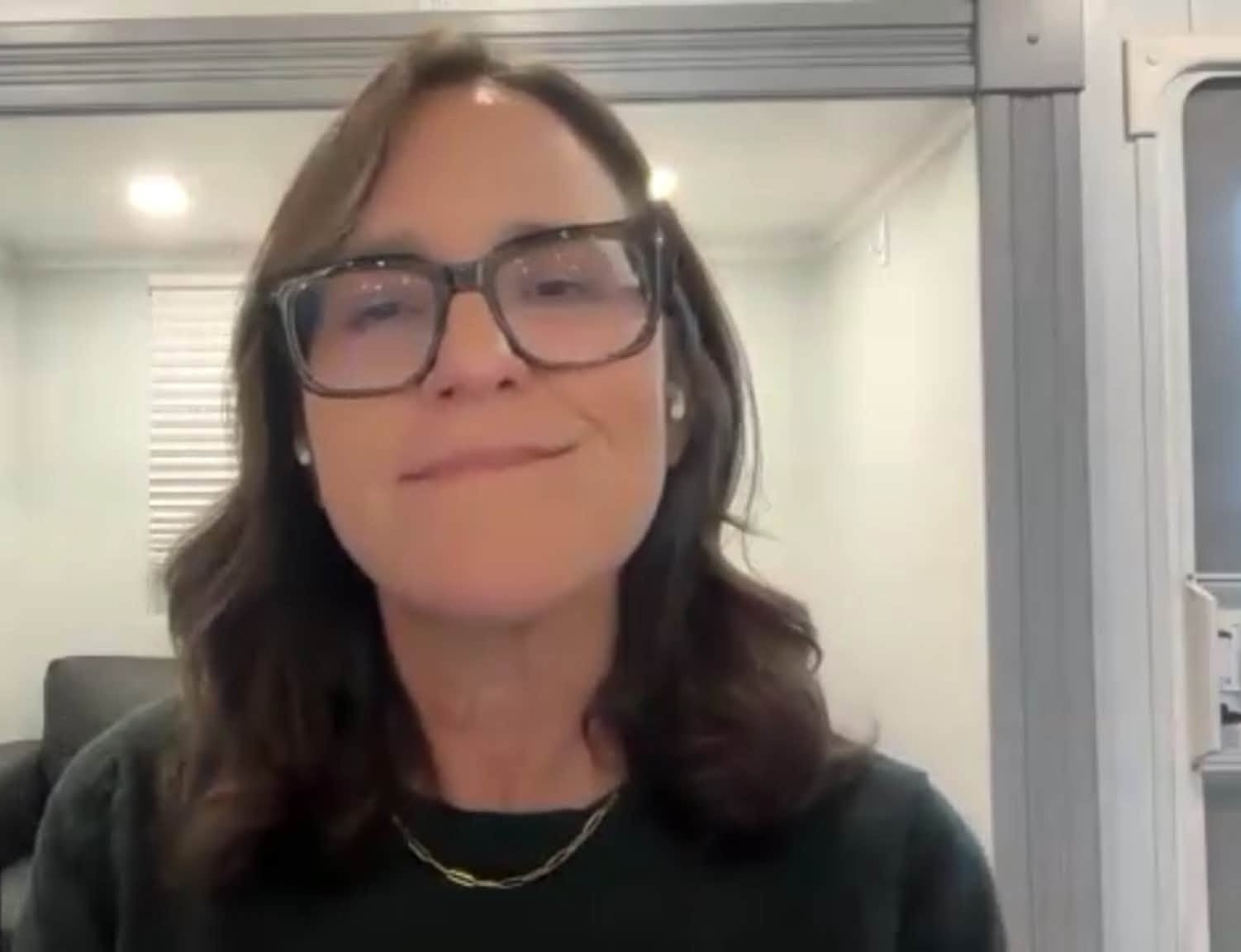
Showrunner, writer, director
Rebecca Sonnenshine is a writer and producer and graduate of UCLA School of Theater, Film and Television. In addition to attending the Berlinale Talent Campus, the Film Independent Director's Director was awarded a Nicholl Fellowship in Screenwriting. She produced the feature films Reversion (2008), which had its Sundance Film Festival premiere, and Bunny (2000), which was nominated for a Spirit Award. Her credits as a screenwriter include Within, American Zombie, The Haunting of Molly Hartley, Happily Even After, The Housemaid, and The Housemaid 2. She also wrote on The Vampire Diaries and The Boys.
Rebecca was five years old when she read the Little House on the Prairie books which helped develop her love of reading and planted the desire be a storyteller. Today, she’s the screenwriter and showrunner taking us back into the world of Little House on the Prairie.
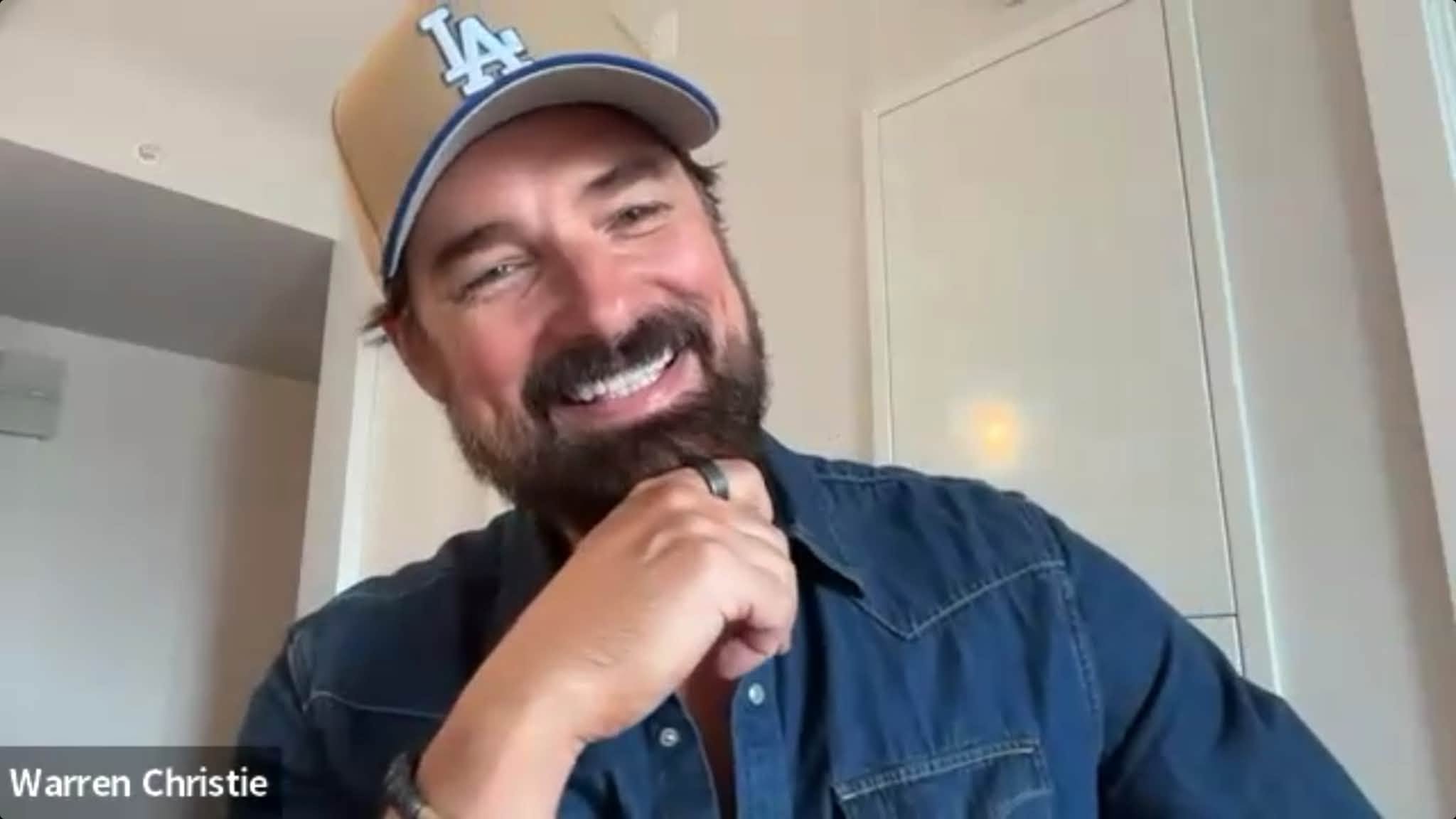
Actor, producer
Warren Christie was born in Belfast, Northern Ireland and spent most of his childhood in London, Ontario. He left London for the University of Windsor after being recruited to play college football. It was during his years at Windsor that Christie developed an interest in performing and decided to pursue it as a career. This led to a move to Vancouver, where he soon found acting opportunities. He now lives in Vancouver, married to actress Sonya Salomaa.
